Published 15.05.2026. | Nina Sauerborn
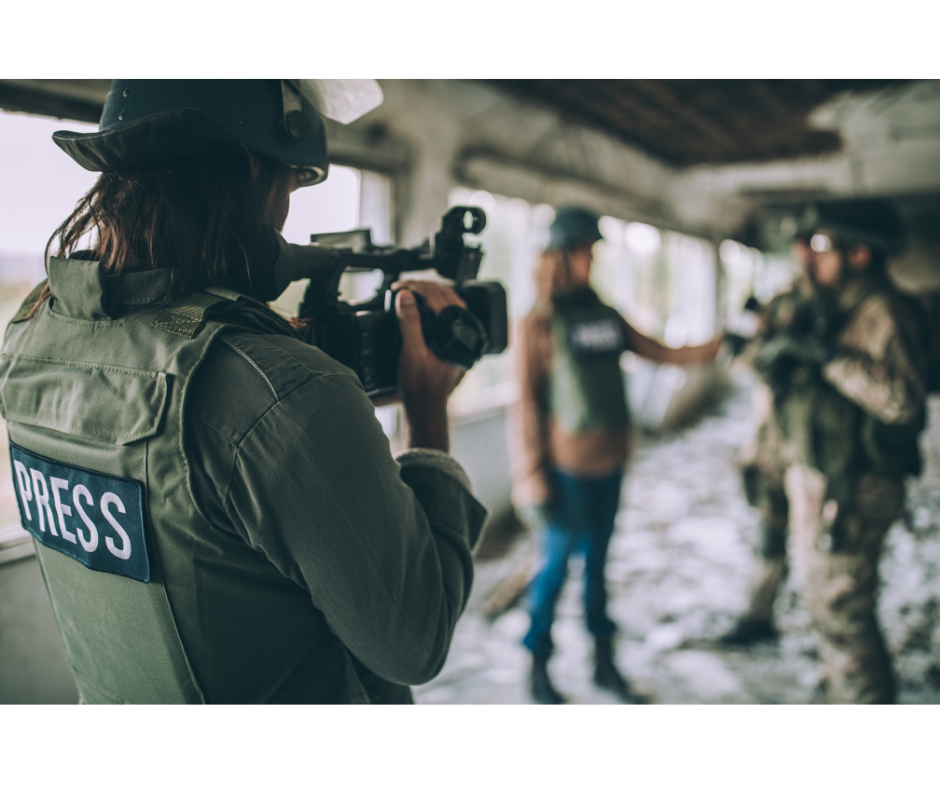
We documented the testimonies of women from war-affected communities and opened up space for a more inclusive understanding of the past
In the project Behind the Front Lines: Invisible Heroines, supported by the British Council, we documented and explored the hitherto under-recognized wartime experiences of women from regions severely affected by the war, including Osijek-Baranja, Vukovar-Srijem and Požega-Slavonia counties.
Through desk research and oral history collection, we spoke to women, civilian participants, victims of violence, family members of victims, and members of national minorities, whose stories were often left outside the dominant narratives about the war. We recorded ten detailed testimonies that were transcribed and whose analysis will be available on the Centre for Peace networks.
The multiple contributions and experiences of women, from life under occupation, participation in armed forces, resilience in everyday challenges, to contributions to reconciliation and peacebuilding, have long remained invisible in public memory and official narratives. The project has shown how important it is to include women's perspectives in the memory and public history of communities.
Recommendations and next steps:
- Active documentation and presentation of women's war experiences
- Increased inclusiveness of gender-sensitive approaches in local memory policies
- Public exhibitions and programs that foster empathy, understanding and solidarity
- Strengthening community capacities to support women with war experiences
The project concludes with a multimedia traveling exhibition in Osijek (26 May), Vukovar (2 June) and Požega (9 June). The results of the desk research, as well as the interviews with the participants themselves, will be presented at a roundtable on 26 May 2026 at 6 pm in the temporary exhibition space at Kapucinska 36, Osijek.
Thank you to everyone who shared their stories, together we are working to make them part of collective memory and contribute to building a more just, inclusive society.
- More about the project and results: https://centar-za-mir.hr/en/projects/behind-the-front-lines-the-invisible-heroines
.
.
.
This project is funded by UK International Development and implemented in partnership with the British Council.
